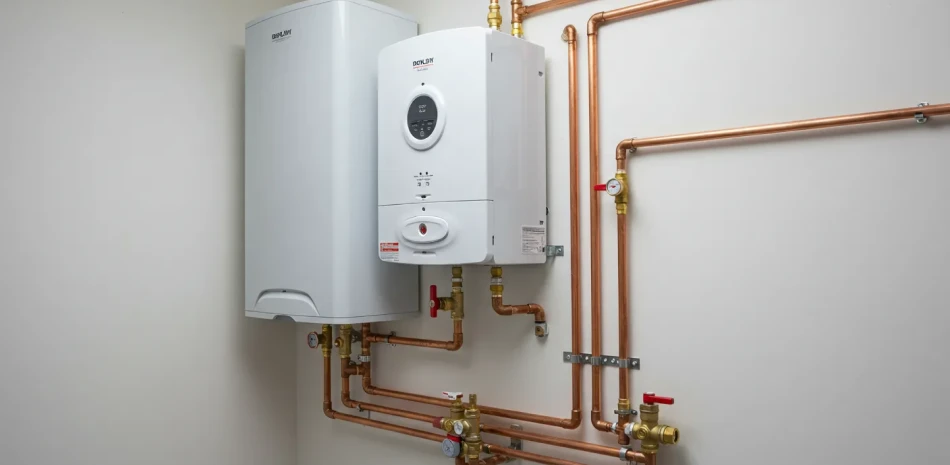
Cold Showers? Causes of a Complete Lack of Hot Water
One of the most common water heater issues we hear is, “My hot water heater is not working at all.” This can feel frustrating, especially when you need hot water for daily routines.
If you have ever asked yourself why your hot water heater is not working, there are a few likely causes that show up frequently here in Kilgore.
The most common culprit is a tripped breaker or a blown fuse. Electric water heaters rely on a steady power supply, and even a small disruption can stop the unit completely.
Another common reason is a failed heating element, especially in older units that have been working for many years. Gas water heaters may lose their flame if the pilot light goes out or if the gas control valve is not functioning correctly.
Here are a few things you can check before calling a plumber:
- Check Power Supply: Look at the breaker panel for a tripped switch.
- Inspect Temperature Setting: Make sure the thermostat has not been bumped or turned down accidentally.
- Look for Pilot Light Issues: If you use a gas unit, make sure the flame is active and stable.
If none of these simple checks solve the issue, the problem might be inside the tank or wiring. In that case, a professional should take over to prevent further damage.
The Temperature Rollercoaster: Why Your Hot Water Keeps Fluctuating
Another one of the most common hot water heater problems is fluctuating water temperatures. Maybe your shower starts off warm, turns cold, then warms up again.
This is a clear signal that something is not operating smoothly.
Mineral buildup is a frequent issue in East Texas because our water contains moderate levels of natural sediment. Over time, these minerals settle at the bottom of the tank and create a barrier between the heating element and the water itself.
This causes uneven heating and unexpected temperature swings.
Thermostat trouble can also play a role. Your water heater’s thermostat may be malfunctioning or reading the wrong temperature, which causes your water to feel hotter or cooler than expected.
If you want to know how to fix hot water heater temperature problems, flushing the tank is often the first step. This removes sediment and helps restore consistent heating. If the thermostat is the issue, replacement is usually quick and affordable.
Slow to Heat: How Aging Components Impact Your Hot Water Supply
Recovery time refers to how long your water heater needs to heat a fresh tank of water after the hot water runs out. If you have been waiting longer and longer between showers, chances are your system is struggling.
Aging components are often the reason. As heating elements wear out, they cannot warm water as quickly as they used to.
Sediment buildup is another likely cause, especially if your unit has not been drained in several years. When sediment sits at the bottom of the tank, it forces the heater to work harder for the same results.
This leads many homeowners to ask, “Why is my water heater not working like it used to?”
Here are a few signs that point to slow recovery:
- Water Runs Out Faster: Showers become shorter.
- Long Heating Times: Tank takes longer to refill and warm up.
- Higher Utility Bills: The heater works harder, which raises energy usage.
If your unit is older than ten years, slow recovery can be a sign that replacement is near. An experienced plumber can assess whether repairs will help or if a new system would save money long-term.
Vibrating Tanks: Why Your Water Heater Is Rumbling During Use
Hearing loud noises from your water heater can feel unsettling, but it is one of the most common hot water heater problems homeowners face. A rumbling or popping sound usually points to sediment sitting at the bottom of the tank.
When the water heats up, the trapped sediment causes the tank to vibrate or make crackling noises.
These noises are not just annoying. They indicate that the unit is working harder than it should. The longer sediment stays in place, the more stress it puts on the tank, which may shorten the heater’s lifespan.
Flushing the tank usually solves the issue, especially if the noise is light or occasional. If the rumbling is loud or continuous, a deeper cleaning or part replacement may be needed. In rare cases, a tank may be near the end of its life.
Keeping an eye on noises can help you catch problems early. It also helps prevent wear that comes from long-term sediment buildup, especially since Kilgore’s water supply can leave minerals behind over time.
Identifying and Fixing Leaks Around Your Heater
Leaks are one of the more urgent hot water heater problems. Even a small puddle around the base of your heater should be taken seriously. Water heaters hold a large amount of water, and a small leak can quickly turn into a bigger mess if left alone.
Loose connections are often the easiest fix. A valve or fitting might be slightly loose, which causes a slow drip. Temperature and pressure relief valves can also leak if the water pressure inside the tank becomes too high.
Tank corrosion is another cause, and this is more common in older systems. Once the tank itself begins to rust through, repairs are usually not possible. At that point, replacement becomes the safest choice.
If you notice moisture around the heater, here is what you can check:
- Inspect Connections: Look at the pipes above the tank for loose fittings.
- Check the Drain Valve: Make sure it is fully closed.
- Look for Corrosion: Rust or discoloration on the tank is a warning sign.
When leaks are more than a few drops, turn off the water supply and call a plumber right away to prevent damage to flooring, walls, and nearby belongings.
Conclusion: Don’t Let a Cold Shower Ruin Your Day
Water heater issues can feel stressful, but knowing what to look for makes the whole situation much easier to manage. Whether you are dealing with a lack of hot water, temperature swings, slow recovery, strange noises, or a leak, these common water heater problems usually offer early signs that something needs attention.
If your system in Kilgore, TX, starts acting up, a quick inspection can save you from bigger repairs later. At Odyssey Plumbing Co, we help homeowners get dependable, straightforward water heater solutions they can count on.
If your water heater is giving you trouble or you just want a professional opinion, we are always glad to help. Call us today at (903) 570-3051 to schedule a friendly, no-pressure consultation.